Stefan Pfenninger-Lee
I am an Associate Professor of Sustainable Energy Systems at the Faculty of Technology, Policy and Management at TU Delft. My group’s research focuses on understanding the technical, economic, environmental, and political trade-offs between different possible ways to build a 100% clean and renewable energy system. You can reach me by email.
Latest post: Land conservation and large-scale renewable energy are simultaneously possible in Brazil
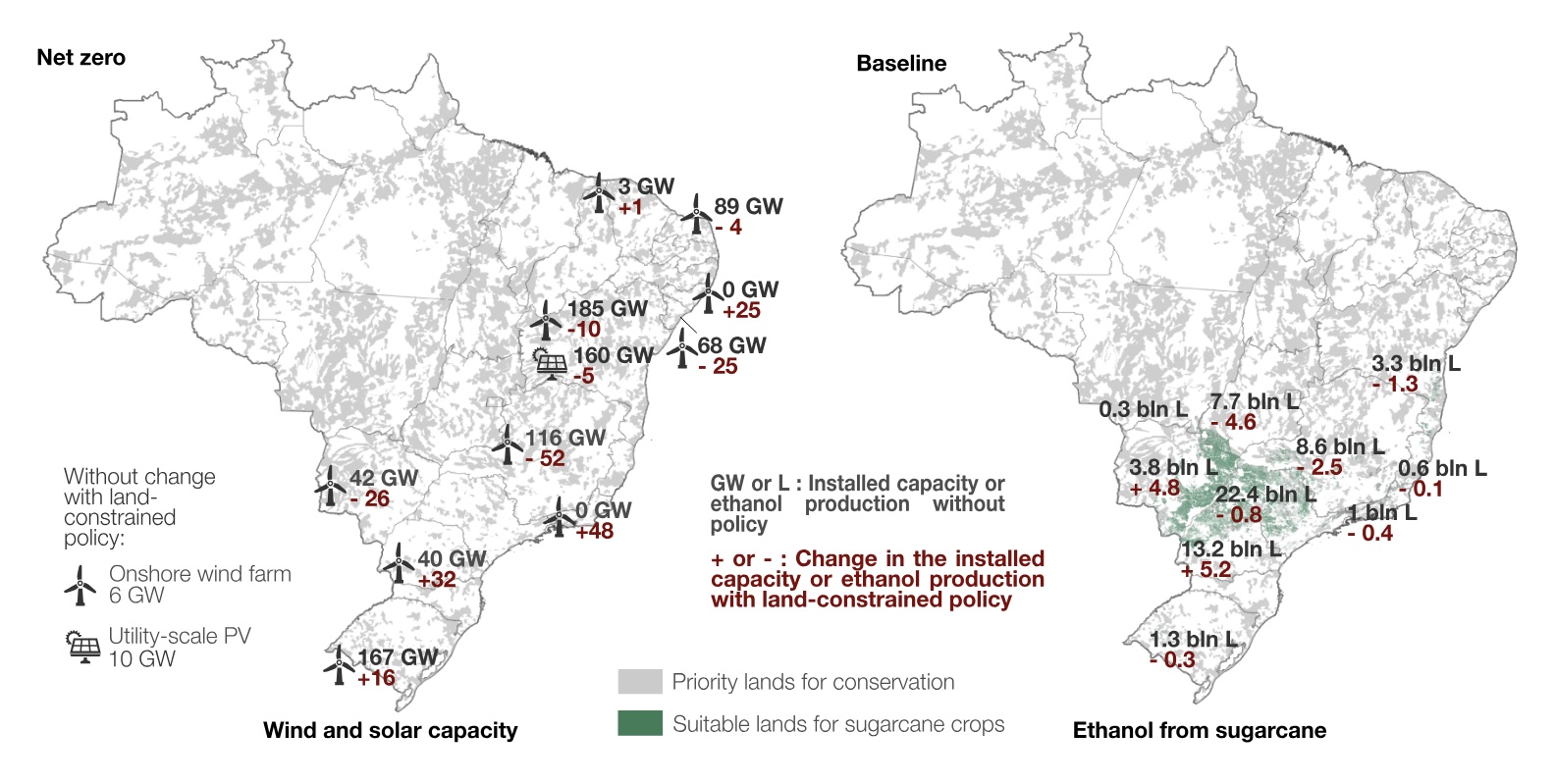
Brazil’s push towards net-zero emissions relies heavily on land-hungry renewables: biofuels, solar and wind all compete for space with globally vital ecosystems. Using Brazil-Calliope, a high-resolution, spatially explicit energy system model, we show that a cost-effective, large-scale renewable energy system is possible while fully protecting priority conservation areas. Relocating generation away from these areas raises system costs by only 0.1–4% depending on the scenario, and freeing them up for restoration could enable an additional 770 million tons of annual CO2 sequestration. The vast majority of land conversion involved in this comes from pasture and soy plantations rather than natural vegetation, and degraded pasture lands in particular are prime candidates for re-forestation. Overall, we find that smart spatial planning can reconcile Brazil’s renewable energy transition with its stewardship of biodiversity. → Borba, de Sousa and Pfenninger (2025), One Earth.
Showcase: a selection of recent work from our group

Research paper
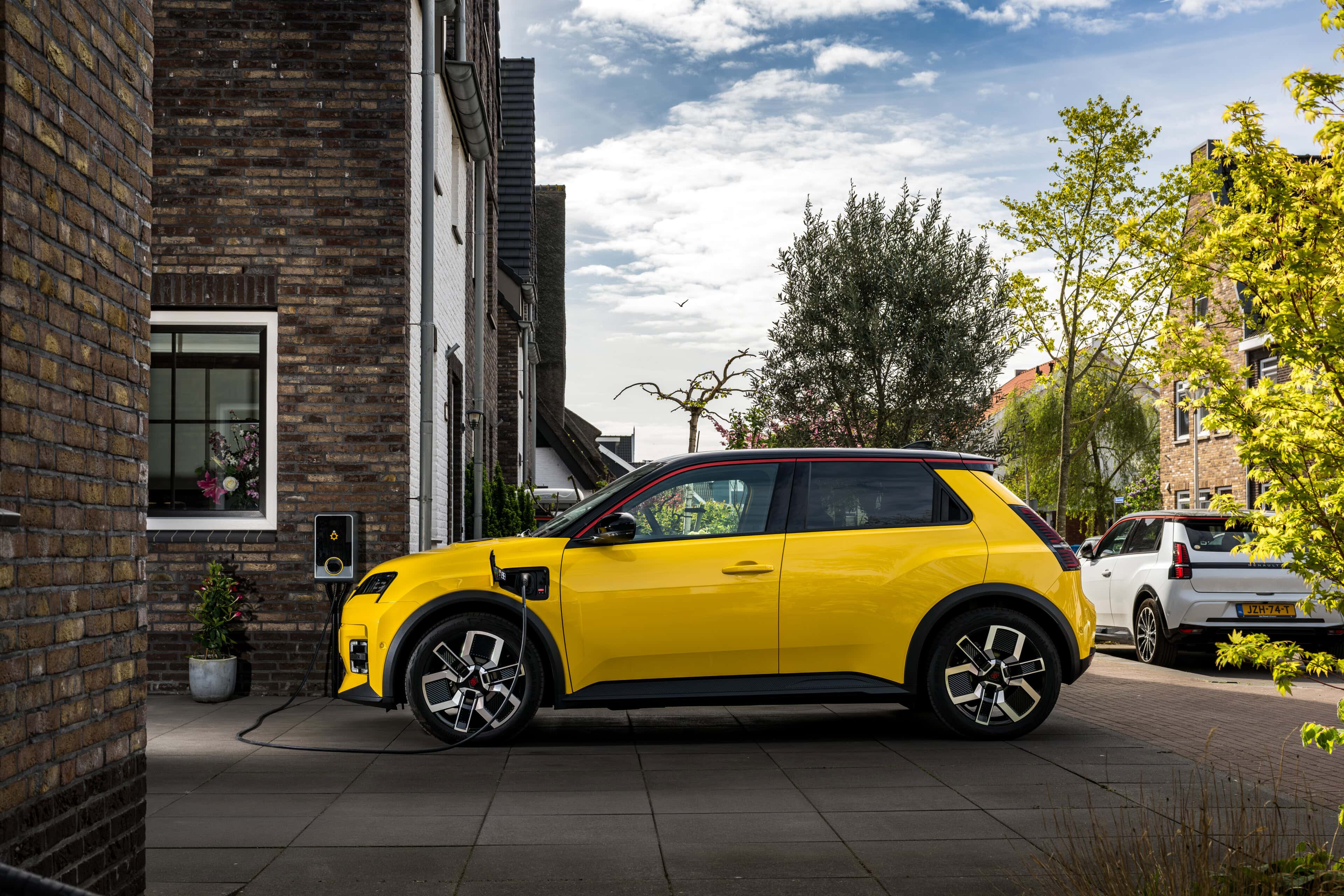
Co-planning charging infrastructure with the wider power system shows that smart charging (V1G) captures most of the system value while vehicle-to-grid (V2G) earns its keep through balancing markets. The value differs greatly by country, so uniform EU charger targets should be reconsidered.
Francesco Sanvito, Francesco Lombardi, Stefan Pfenninger-Lee (2026). Coordinated Planning of European Charging Infrastructure and Energy System for Optimal V1G and V2G Deployment. Nature Energy. doi: 10.1038/s41560-026-02107-5
Research paper
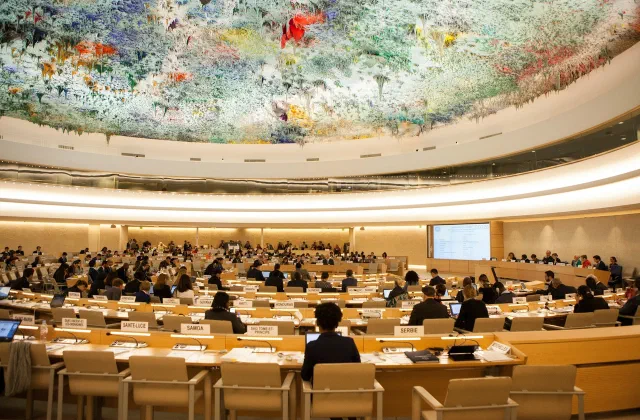
IPCC Summaries for Policymakers have not become more solution-oriented through time. For that to happen, the IPCC may need to re-think its policy-neutrality principle.
Ema Gusheva, Johan Lilliestam, Franziska Bock, ..., Fei Wu, Stefan Pfenninger-Lee (2026). Content Analysis of IPCC Summaries for Policymakers 2001-2022: No Shift towards Policy Solutions. npj Climate Action. doi: 10.1038/s44168-026-00391-1

Research paper
Modelling energy system transition pathways over many decades introduces distinct methodological pitfalls. This study maps those challenges and how modelling choices shape the optimal pathways that emerge.
Ivan Ruiz Manuel, Meijun Chen, Francesco Lombardi, Stefan Pfenninger-Lee (2026). Optimising for the Long Game: Methodological Challenges in Energy System Optimisation Pathways. Applied Energy. doi: 10.1016/j.apenergy.2026.127980