My group’s research is on the global transition to a 100% clean and renewable energy system. This includes designing future energy systems that are able to work with high shares of variable renewable electricity. A prerequisite for this is understanding the spatiotemporal variability of renewable generation and demand. But to develop a truly sustainable energy system it is also necessary to consider trade-offs between the energy transition and other concerns such as biodiversity protection. → More on my research areas.
In the course of my work I created and lead development of the open-source energy system modelling tool Calliope. I am also the creator and lead developer of the Renewables.ninja platform to simulate wind and solar power plants worldwide. I am a member of the Open Energy Modelling Initiative, which promotes openness and transparency in energy system modelling, and of the Open Power System Data project, which provides a free and open data platform for power system modelling. → More on my software projects.
MSc thesis topics
I typically supervise thesis topics aligned with the research areas of my group (see research topics). If you have an idea for a project of your own, you can always get in touch. My group highly encourages you to publish your thesis work. Some examples of past theses that were published in peer-reviewed scientific journals:
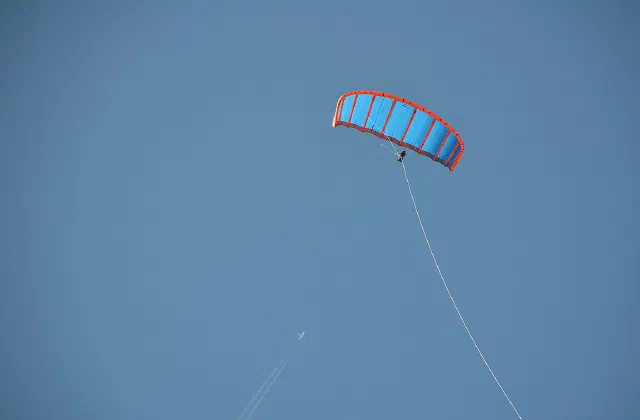
Novel wind technologies, in particular airborne wind energy (AWE) and floating offshore wind turbines, have the potential to unlock untapped wind resources and contribute to power system stability in unique ways.
Hidde Vos, Francesco Lombardi, Rishikesh Joshi, Roland Schmehl, Stefan Pfenninger (2024).
The Potential Role of Airborne and Floating Wind in the North Sea Region. Environmental Research: Energy.
doi: 10.1088/2753-3751/ad3fbc
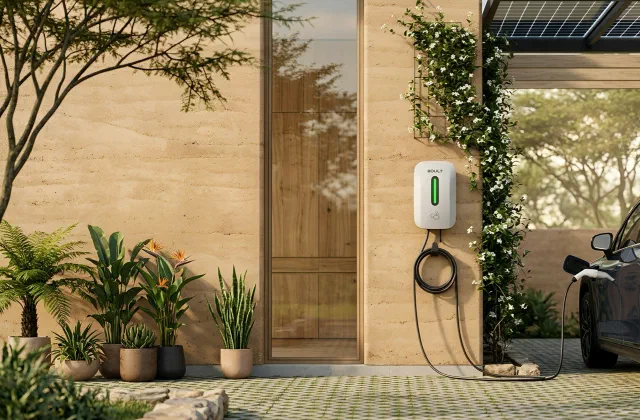
Combining rooftop photovoltaics with an electric vehicle can make individual households energy self-sufficient even in a temperate climate.
Ursin Gstöhl and Stefan Pfenninger (2020).
Energy Self-Sufficient Households with Photovoltaics and Electric Vehicles Are Feasible in Temperate Climate. PLOS ONE.
doi: 10.1371/journal.pone.0227368
Mykola Mazuryk/colorbox.de and Gisela Zechner/pixelio.de
Research paper
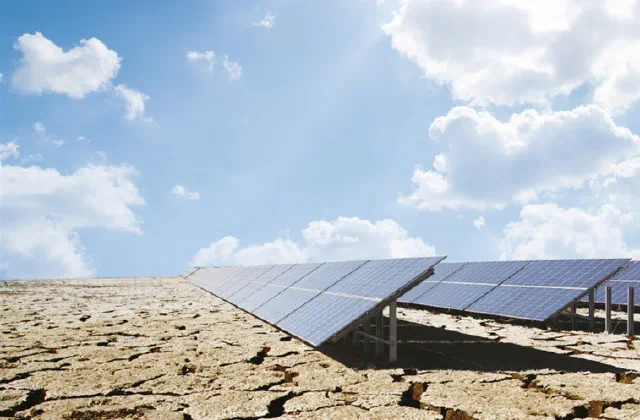
Across CMIP5 climate projections, European photovoltaic output remains robust, making solar a no-regrets investment regardless of climate change.
Johannes Müller, Doris Folini, Martin Wild, Stefan Pfenninger (2019).
CMIP-5 Models Project Photovoltaics Are a No-Regrets Investment in Europe Irrespective of Climate Change. Energy.
doi: 10.1016/j.energy.2018.12.139
www.modelling-energy-systems.org is an in-development, free and open online textbook for two MSc courses I teach, SET3061 Energy System Modelling (4 ECTS, taught in Matlab) and SEN1511 Engineering Optimization and Integrating Renewables in Electricity Markets (5 ECTS, taught in Python). Content-wise, the courses are closely related, and deal with using mathematical modelling and optimisation methods to address decision problems in energy systems: e.g., dispatch of power plants, market clearing, as well as capacity expansion and other planning problems.
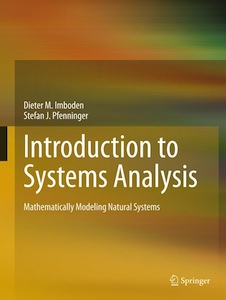
Textbook: Introduction to Systems Analysis: Mathematically Modeling Natural Systems
Introduction to Systems Analysis: Mathematically Modeling Natural Systems is an updated English version of an originally German-language textbook on applying simple mathematical models to environmental problems.